
Last updated on November 20th, 2025
Why women love slow travel
by Jules Torti
Slow travel is a philosophy that’s grounded in travelling with intention and culturally sensitive motives. We’re not talking about long weekend cottage country traffic or sailing on a felucca down a windless Nile. This responsible approach to visiting a destination is one that embodies a thoughtful pace and meaningful interactions with community members. Think of slow travel like nursing a pot of steeped tea versus downing an espresso shot while standing.
Slow travel is about awareness and accountability. Instead of racing through a checklist of must-sees at warp speed, it’s about truly absorbing a place through interactive experiences that take into account the impact of tourism on an area. By choosing to support independent businesses and restaurants that focus on locally-sourced products, the local economy thrives.
10+ countries perfect for slow travel for women
We already know that Mexico, Panama, Costa Rica and the Algarve (Portugal) are affordable, comfortable, tried-and-true launching pads for long stay, slow travel. The infrastructure, expat community, conveniences and amenities abound. Each of these countries provides a soft landing for first-timers with extensive online resources, accommodation levels for champagne to ginger ale budgets, with countless surf and turf opportunities to explore.
Language isn’t a barrier and you can easily find Clif bars, tampons and English books. If you’re considering a Southeast Asian direction, be sure to pack what you consider necessities, as 50+ SPF, Splenda and purple shampoo for blondes are not universal!
However, other places also welcome slow travellers, with an affordable lifestyle, longer-term visas for both digital nomads and retirees and expat communities to learn from others who have taken that first step into a different lifestyle.
1. France: A river runs through it
France has an extensive network of navigable canals and rivers. If you’re not an experienced sailor, a canal or houseboat stay can make for a budget-friendly and whimsical basecamp, even if you remain moored! France is synonymous with impeccable food and wine—the open markets and bakeries make it easy to choose a hyperlocal and healthy menu. The rail network is efficient, rentals are affordable and there are countless free things to enjoy from the cathedrals and cemeteries to galleries, museums and botanical gardens.
Places to consider: Culinary capital Lyon, the Grand Est Region (including Nancy, Reims and Strasbourg) or the Luberon
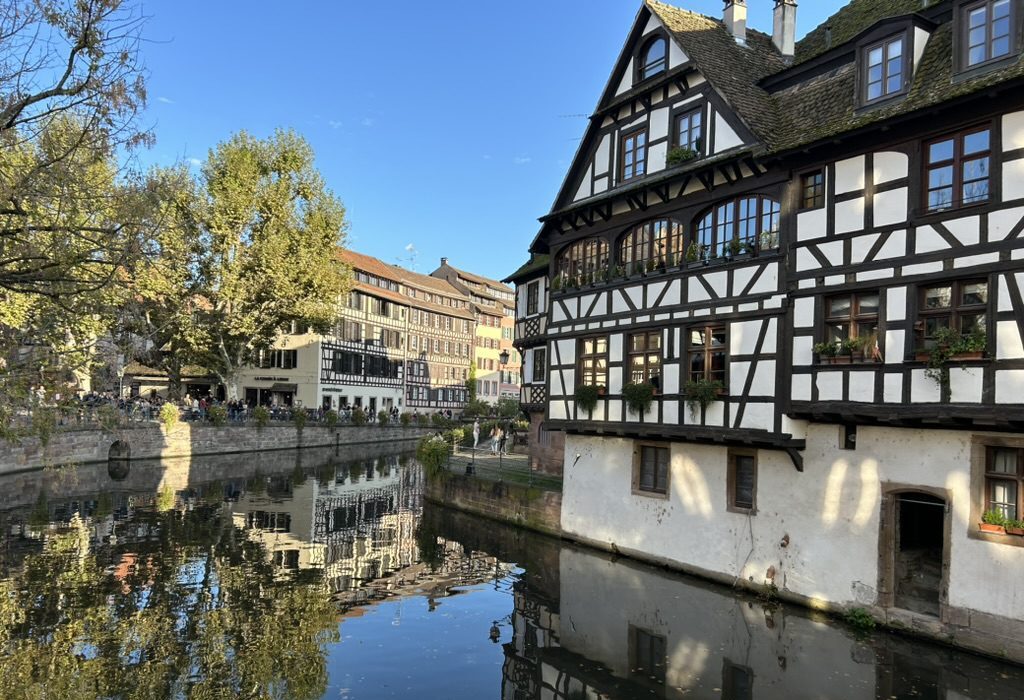
Consider exploring the rivers and canals of France for your long stay, like those in Strasbourg / Photo by Carolyn Ray
2. Italy: In the cucina and agriturismo adventures
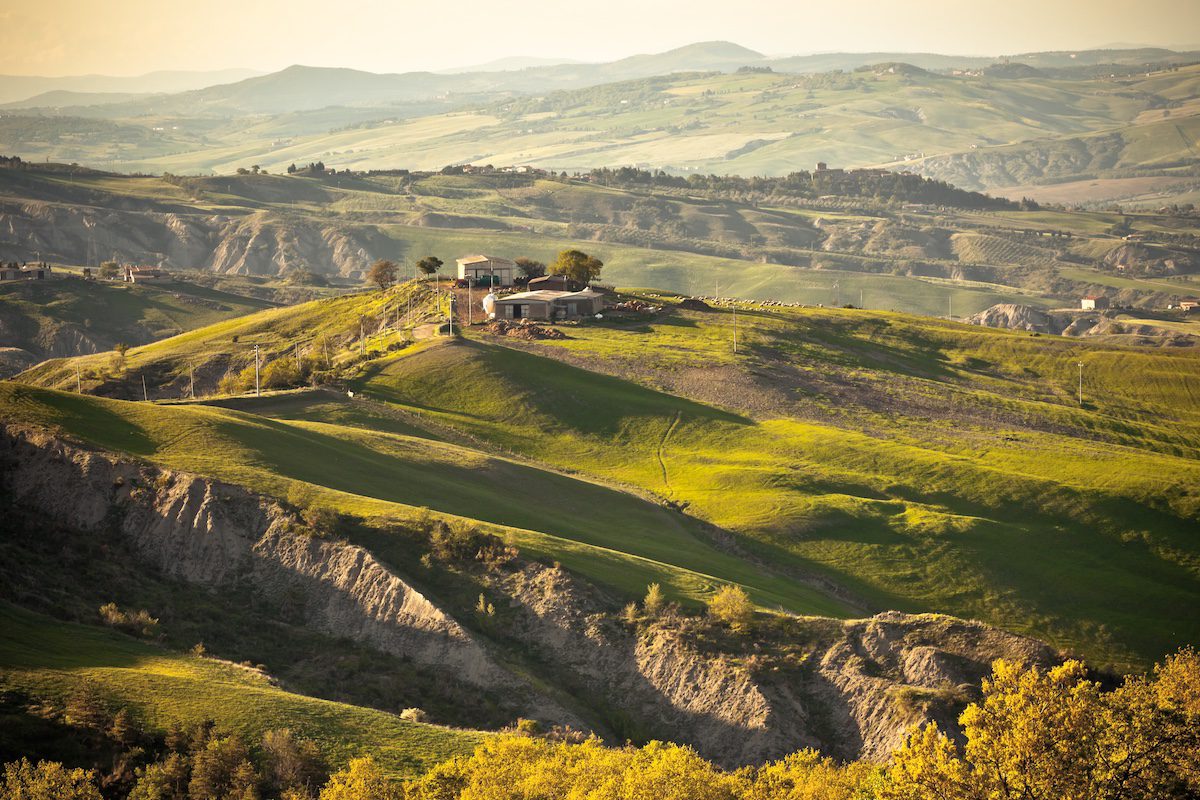
If you’re eager to expand your confidence in the cucina, several culinary schools provide 12-week (or longer) courses for beginners. They offer immersive curricula covering gelato, cheese-making, pastry and pasta fundamentals and more. If you’re looking for an active stay, the cycling and e-bike routes offer a rolling rural landscape of chapels, Chianti, and cypress trees. Consider volunteering at an agriturismo (working farm) in exchange for your accommodations and/or meals. Family-run agriturismos are always seeking help to prune olives, harvest lavender or tend to the bees.
Places to consider: Ostuni, Lecce or small towns near Florence

3. Spain: Pilgrimages and paella
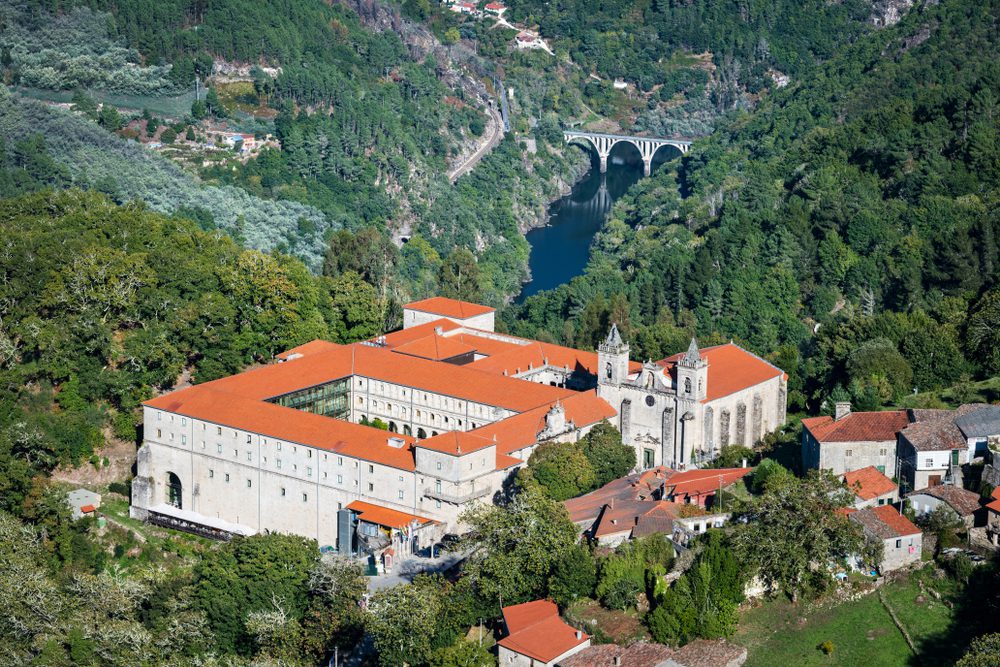
The cost of living in Spain allows for a truly spoiled stay. The climate, regional food scene, free festivals and deep culture make everyday exploring accessible and educational. Consider volunteering at one of Spain’s monasteries and work alongside choir school staff, pitch in on ground maintenance or assist as an English language tutor. The famed Camino de Santiago pilgrimage runs throughout Spain on several routes. Pilgrimage offices and municipal-run albergues and hostels are always eager for extra hands and it’s a quick way to meet fellow slow travellers.
Places to consider: Malaga, the Basque Region, Andalucia’s white villages, Girona, Seville
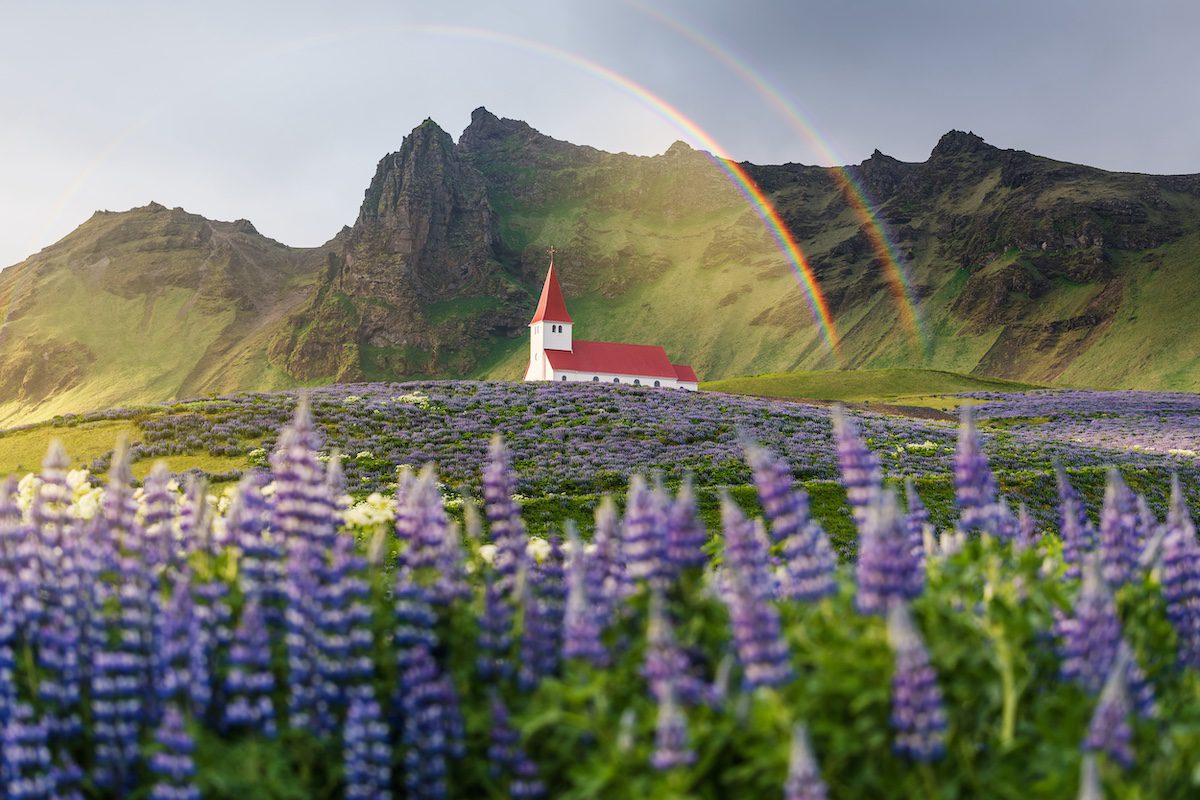
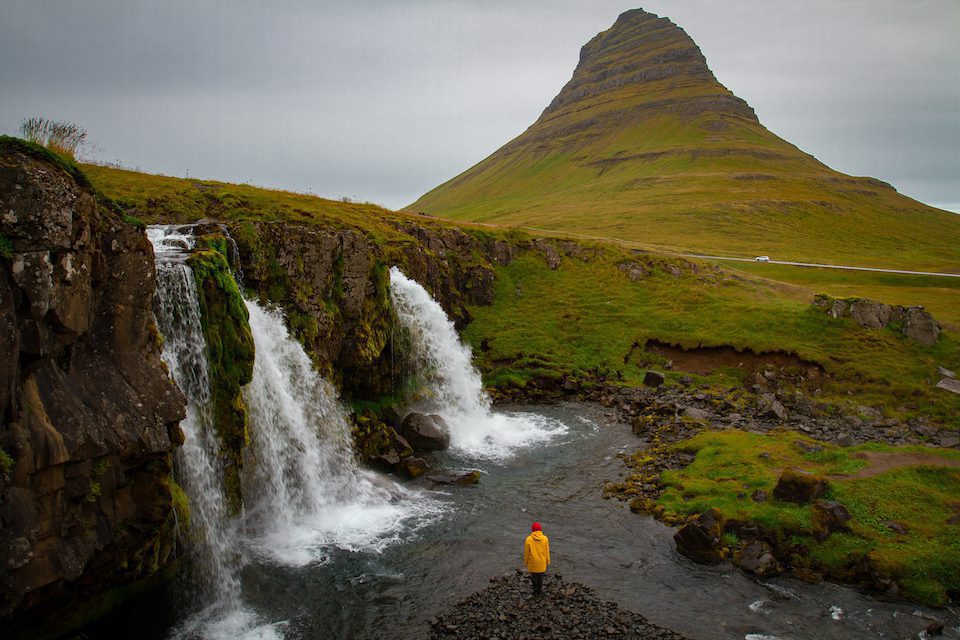
4. Iceland: Write your own story
The island’s main artery is the Ring Road, which makes navigating Iceland a cinch! For writers, the volcanic isle is a hotbed of literary events, readings, creatives, retreats and inspiring mega landscapes. Soak up the scenery and thermal springs at every turn. More books are published and read per head in Iceland than anywhere else in the world. On December 24th, Jólabókaflóð (“Christmas book flood”) is a traditional celebration where books are exchanged with loved ones before spending the night reading. From the Bookstore Cafe at the University of Iceland to Mokka Kaffi (the oldest cafe in Reykjavík), Iceland is designed for a second cup of kaffi, a backburnered writing project and long, wild walks in Þingvellir, Snæfellsjökull or Vatnajökull National Park or Hólavallagarður Cemetery or the Oreo-black sand beaches of the south.
Places to consider: Reykjavik
5. Malta: Dive in and pitch in
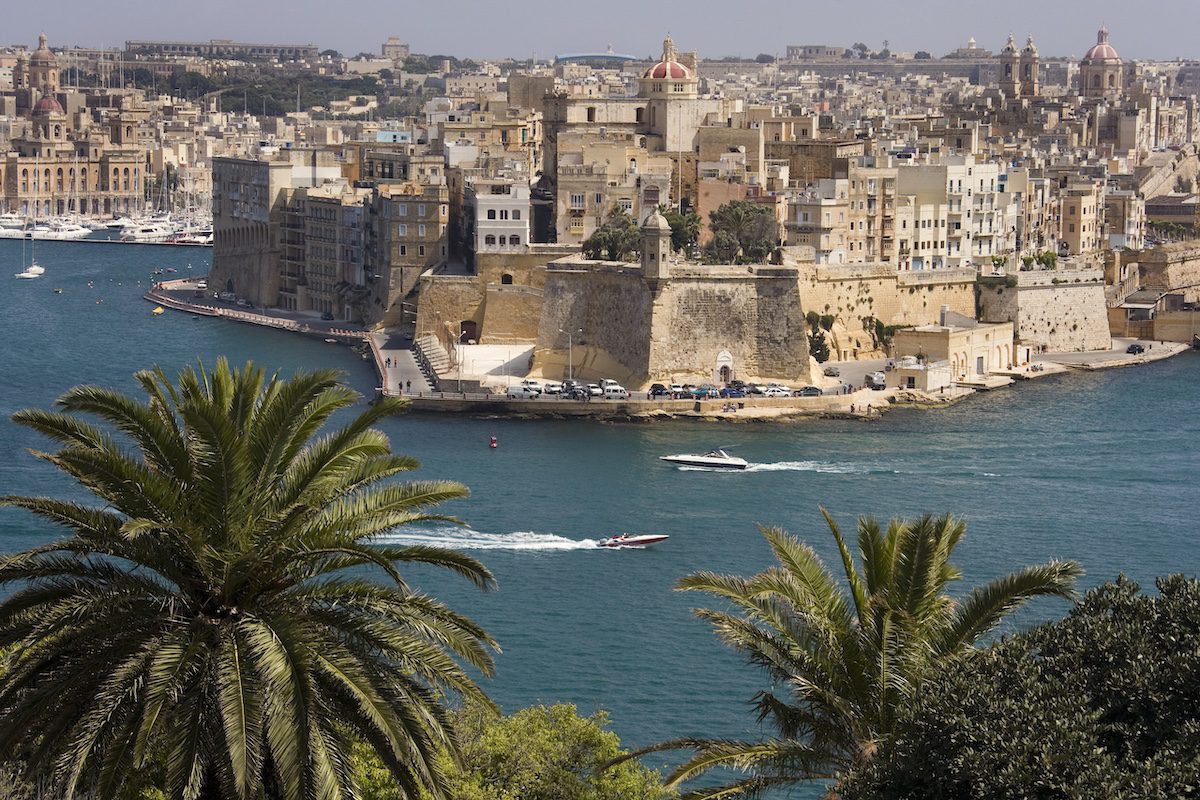
With bragging rights to 300 days of sunshine a year, Malta’s beaches and baroque architecture are a big draw. It’s also known for its welcoming attitude towards LGBTQ+ travellers (Malta was ranked as the number one European LGBTQ+ travel destination in 2022). If you love starting your day with a long swim, a long stay in Malta might be the Mediterranean island to dive into. And if you’re a diver, the water clarity and wreck dives here are unreal. There are also countless coral reef restoration, wreck preservation and marine life surveys that you can participate in.
Places to consider: Valetta
6. Slovakia: Admit one!
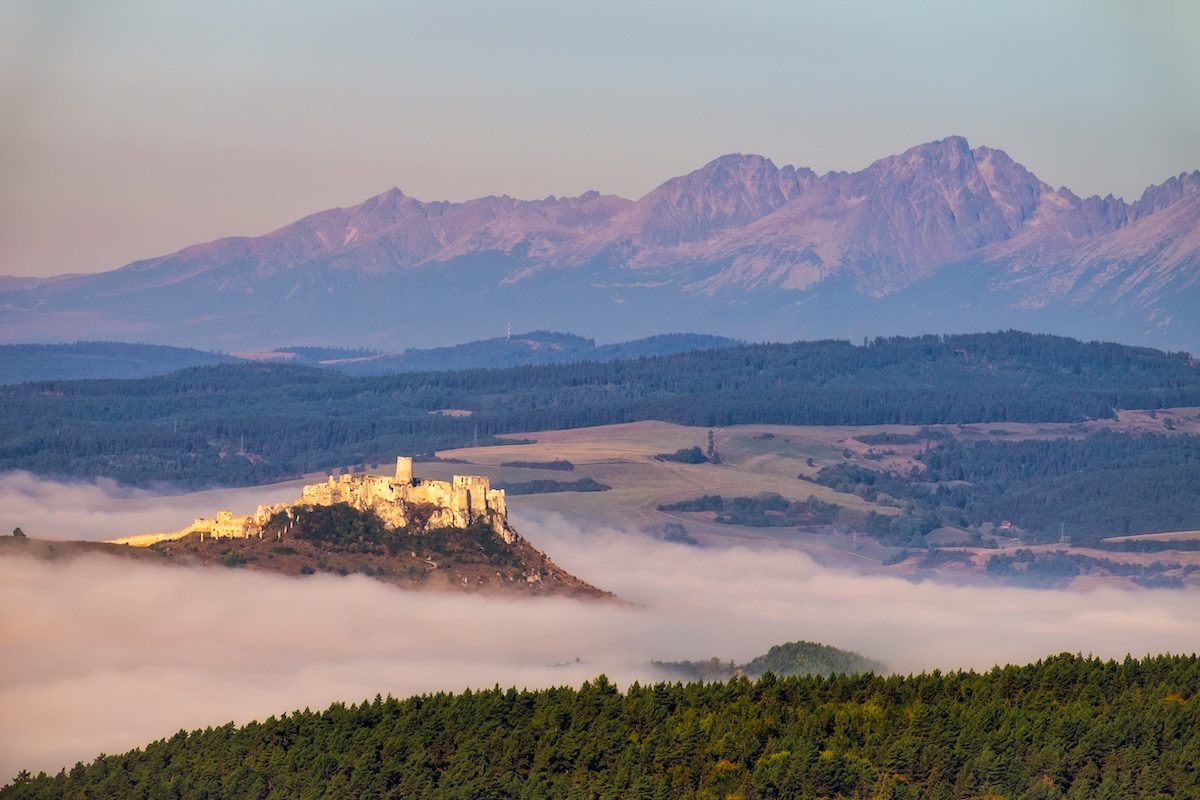
Caves and castles are the general calling card for Slovakia, but it’s also known for its forests (40% of the land is covered in forest), national parks, thermal waters, low crime rate and supreme value. It would be easy to spend several months simply visiting the numerous historic theatres and opera houses. For museum junkies, Slovakia offers an education in everything from opal mining to hippology (a museum dedicated to horses), guitars and puppet culture. There are museums dedicated to skiing, beekeeping, wine, Jewish culture, Ukrainian culture, Hungarian culture and police. Find a penzión or rent a small cottage at one of the autokemping sites and begin your self-guided museum and theatre hop of Slovakia!
7. Slovenia: Play outside
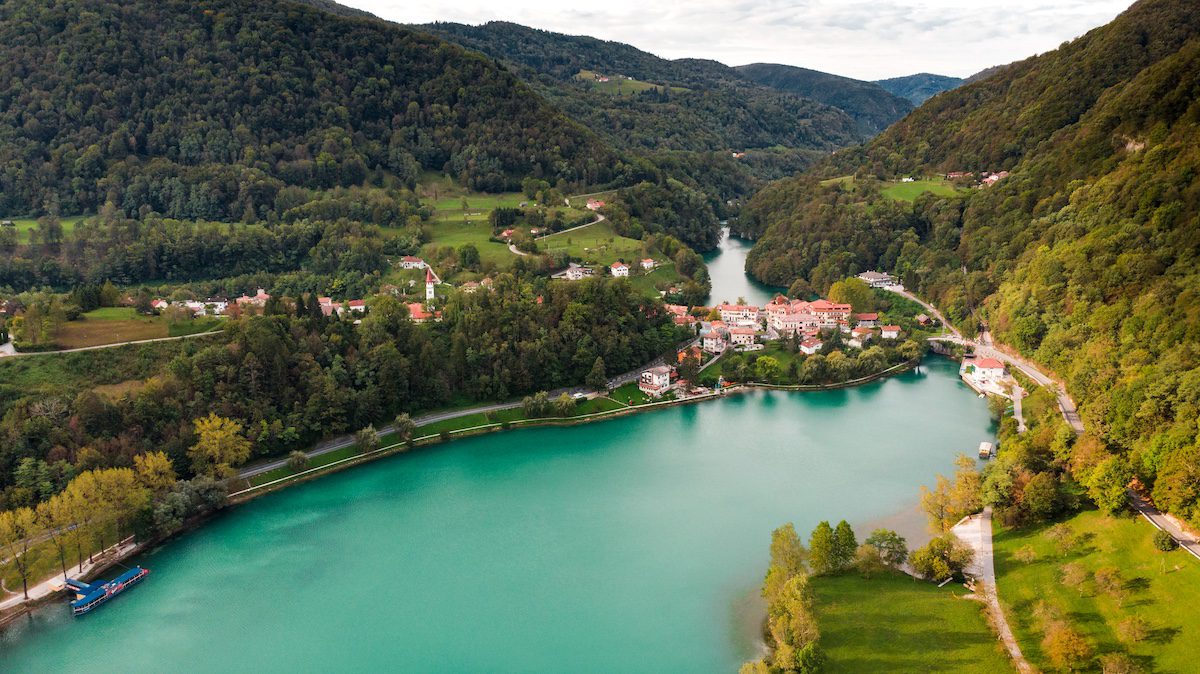
If you prefer to play outside, Slovenia has a wide open door for hikers, cyclists and those seeking caving and rafting expeditions. This Balkan country is known as the “Green Heart of Europe,” and Slovenia’s small size allows you to experience a lot of diverse scenery without the long drives in between. Consider renting a camper van and taking advantage of the truly wild life and pinch-me panoramas with cheap camping rates or free camper stops. Apps like park4night and iOverlander will help you pre-plot your travels. In Slovenia, some restaurants, farms and eco-tourism establishments also permit campervan stays in exchange for the purchase of a meal or local products.
8. Ireland: Slow and steady
Dublin City University (DCU) offers age-friendly learning opportunities. DCU’s The Love of Lifelong Learning Programme offers 8-week modules on subjects like Creative Writing, Psychology, Art Appreciation, Painting and Photography.
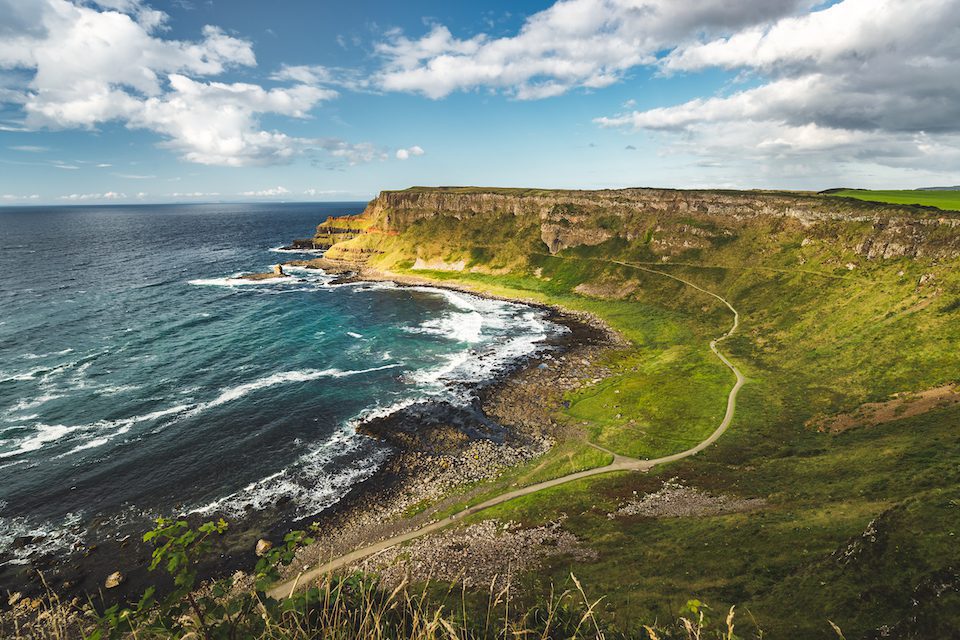
If you’d like to be part of an open-air classroom, pack your waterproofs and consider a self-guided multi-day hiking route like The Kerry Way. At 214 km (133 miles), it’s one of the longest routes, followed closely by the Dingle Way (179 km/112 miles). These coastal routes pass through seaside fishing villages, protected wilderness and early Christian monasteries. Celtic history unfolds at every turn, and the best way to absorb the Iron Age ring forts and medieval castles is slow and steady. Turn your slow travel experience into an active one and dedicate your days to hiking and studying history on the move.
Places to consider: Dublin, Cork, Killarney
9. United Kingdom: A communal community
The United Kingdom is a breeze to navigate by rail, but it comes with an elevated price tag. Expect at-home prices for stays, meals and attractions. Rail travel, self-catering stays, street food, National Trust and English Heritage sites (with free entry) and free city walking tours can make slow travel more affordable. The Youth Hostel Association offers volunteer programs where you can help at hostels in exchange for free accommodation and other perks.
Diggers and Dreamers has a wide variety of intentional communal and co-op listings for low-impact, spiritual or urban housing that may have openings for long-term members (some require more than a year-long commitment). Most spaces revolve around shared meal times, a space for culture, spirituality and learning. Some have social enterprises where community members work together managing vegetable gardens, a bakery, a health food shop or craft workshops.
Places to consider: Glasgow, Bristol, Belfast, Edinburgh, Pitlochry, Canterbury
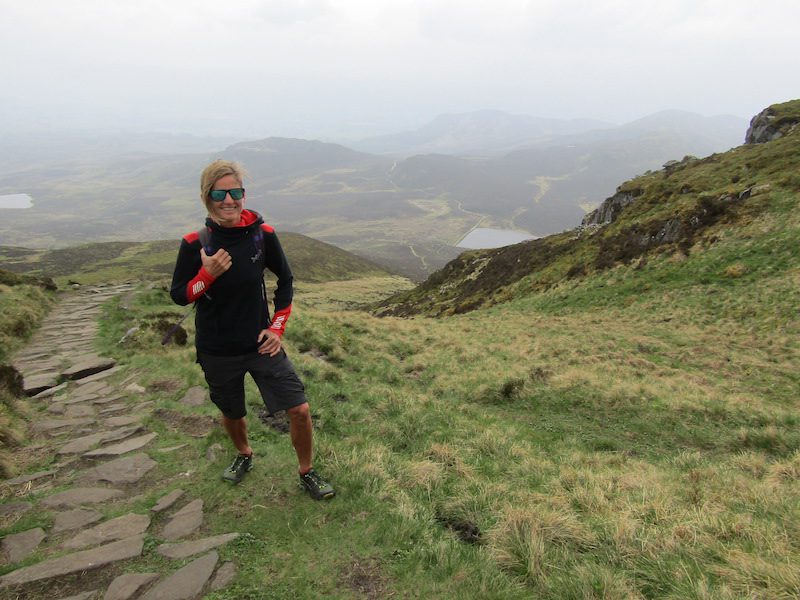
The UK offers plenty of opportunities to slow down, like Jules on Ben Vrackie in Scotland / Photo by Kim Kenny
10. Thailand: Hands-on workshops and ethical animal projects
The initial expense of your flight to Thailand will be quickly balanced by the affordability of daily life. Street food and a dizzying number of cheap accommodations from backpacker hostels to bungalows make a long-term stay in Thailand cost-effective, delicious and spiritually rewarding. The healthy menu, temperature, temples and pedestrian-friendliness are all positive perks. Your days can be easily filled with workshops on Muay Thai, Thai massage, Thai cooking or traditional Thai dance.
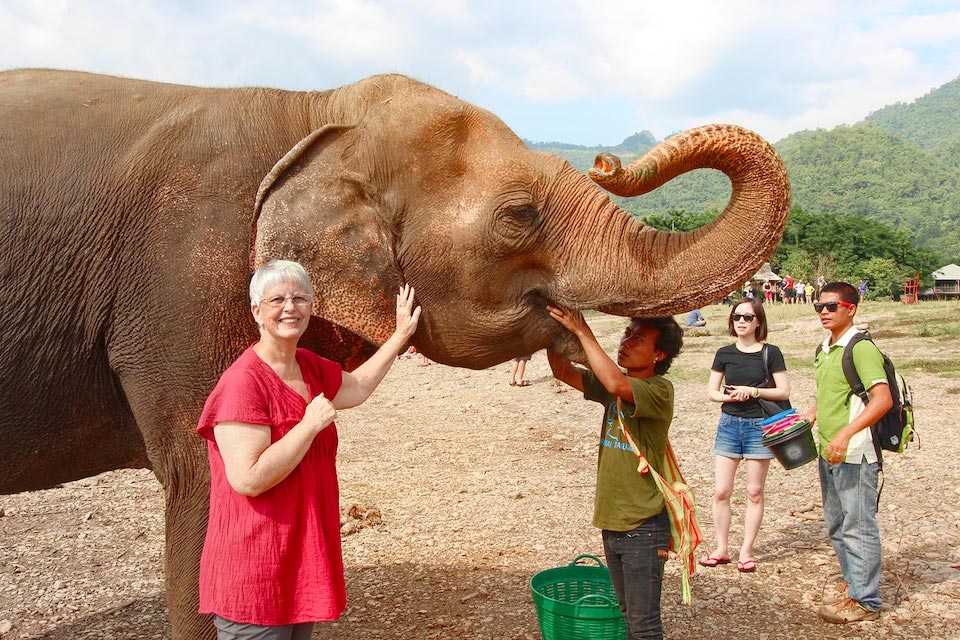
Wildlife Volunteer Thailand offers projects at the Wildlife Rescue Centre, the Elephant Refuge, the Wildlife Hospital and the People and Animals Thailand Clinic (a spay clinic for stray dogs and cats). Each project has different commitment terms (one to 12 weeks), but generally, the longer you stay, the cheaper the rate. The volunteer fees cover the cost of your accommodation, three meals per day, in addition to a direct donation to the operating costs of the project.
Places to consider: Chiang Mai
11. Malaysia: Stop and smell the flowers
The tropical climate, affordable guesthouses, homestays and culinary scene make Malaysia an attractive slow travel hub. Artists will revel in the opportunities to learn more about batik, pewter dish-making, and weaving. There are also Malay language immersion programs or marine and orangutan conservation projects to become involved with. Dig around the Workaway site, and you might find a gerbera flower farm or tea plantation looking for help. Pitch in at the guesthouse, learn about flower production and have a slow travel experience that is nourishing in every way.
Places to consider: Perak, Penang and Kuala Lumpur
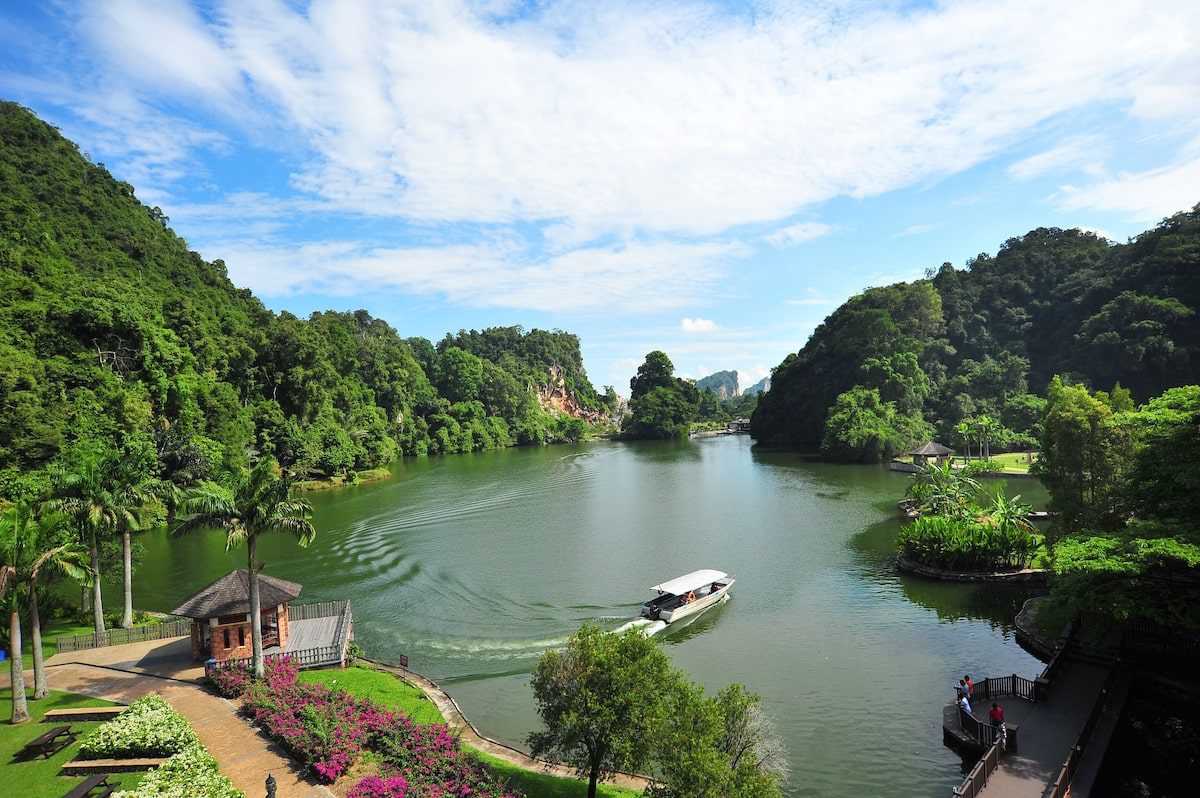
Perak is a less-visited part of Malaysia that is perfect for slow travellers | Photo by Tourism Malaysia
There are no hard and fast rules to slow travel. Maybe you are seeking totally unscheduled days and the freedom to do nothing at all. Maybe you want to make it all about you and what makes your heart pound harder–and if that means spending time with orangutans or learning how to make Parmigiano Reggiano or following a coastal hiking route through Ireland, awesome. We can’t wait to see what you’ll discover about yourself and the world.

Jules Torti

Jules Torti is the Editor-in-Chief of Harrowsmith magazine. She has been published in Cottage Life, Our Homes, The Vancouver Sun, Canadian Running, FASHION, The Globe and Mail and Massage Therapy Canada. Yeah, she wears a lot of hats, most of them backwards. She is also the author of five books: Free to a Good Home: With Room for Improvement (Caitlin Press), Trail Mix: 920km on the Camino de Santiago (Rocky Mountain Books), Been There, Ate That: A Candy-coated Childhood (winner of the 2021 Pottersfield Press Creative Non-Fiction Prize), The Wisdom Found in Hen’s Teeth and Trips That Went South: From Point A to B(eware) (Pottersfield Press). Her memoir, Camino Chaos (available Spring 2026), will retrace her missteps along Croatia’s Camino Krk and the Camino Portugués.
Hi All, I just love Journey Women and what fabulous job you do, thank you so much.
As a well experienced, Australian solo traveller, now in my 70s, I recently wrote and delivered a short talk for a women’s organization on ‘Solo Travel’. I wonder if you are interested in receiving articles such as this. If so, I would be happy to re-work it as a written article and submit it for your consideration, for when the time may be right. I quie understand if you already have more than you can manage.
This looks just like my next life section’s plan! Great article Jules! I can’t wait for the 2026 Camino book to come out. Well done and thank you for sharing so much great information with those who hope to follow.