

Egypt’s ancient wonders are simply astounding
by Carolyn Ray
I’m not a morning person, so when I step into a small van in Aswan at 4 a.m., my senses aren’t fully awakened. As we bump along Egypt’s highway heading south, I feel the warm glow of the sun before I see it, radiating light across the golden sand. It’s no wonder that Ra, the sun god, is omnipresent everywhere in Egypt. For centuries, kings and pharaohs have erected temples in his honour that have stood the test of time, creating some of the most awe-inspiring monuments in human history.
As a history buff and wannabe archaeologist, I’ve always been fascinated with Egypt. So when I’m invited to join G Adventures’ new ‘Solo-ish’ trip to Egypt in June, I leap at the opportunity. Over nine days, our small group of five solo travellers learns about Egypt’s history as we travel from Cairo to Luxor on a nine-day trip in a private van, felucca and sleeper train.
Our guide is Mariam Hafez, G Adventures’ first female guide in Egypt. She’s excited to show solo travellers that Egypt is welcoming and safe and urges us to explore Cairo, Aswan and Luxor on our own. “Speak with the people, go by yourself to the market,” she says. “Come find out for yourself what the Egyptians are like. Even if you don’t buy anything, just go, because you can’t stay in a bubble. At the end of the trip, what I love to see is someone who’s very confident crossing the street, enjoying the Egyptian culture.”
Hafez’s specialty is Egyptian goddesses and as an egyptologist, she’s an expert on Egypt’s gods, goddesses, and ancient beliefs, and their connection to pharaohs, who were considered gods on Earth, bridging the human and divine.
My most awe-inspiring moments in Egypt
Egypt has seven UNESCO World Heritage Sites, including Historic Cairo, Ancient Thebes (which includes Karnak, Luxor Temple, the Valley of the Kings), Memphis and its Necropolis, which includes the Pyramids of Giza, the Sphinx, and Saqqara and the Nubian Monuments from Abu Simbel to Philae. By creating astounding monuments and temples, the pharaohs were able to legitimize their rule and maintain cosmic order.
All of these – and more – are part of the G Adventures itinerary, which also includes visits with women in their homes, and a stop at a local non-profit, the Funtasia Project, which is funded by Planeterra, G Adventures’ foundation. I even fit in a stop on my own to the Grand Egyptian Museum, which is officially opening in November 2025.
1. The wonder of Abu Simbel Temple, near Aswan
Even after seeing the pyramids, I’m unprepared for the sheer majesty of Abu Simbel, one of the great monuments of Egyptian history. Carved out of solid rock in the 13th century BCE, it celebrates the reign of Ancient Egypt’s mightiest pharaoh with its towering 60-foot statues of Ramses II. Next to it stands the smaller temple of Hathor (the goddess of love, beauty, music, dancing, fertility, and pleasure, represented with the head of a cow), and Nefertari, Ramses’ wife.
Inside the main temple, eight massive pillars show Ramses standing with the god Osiris. There are wall reliefs that show battles and an inner sanctuary with four seated statues representing the gods Amun-Ra, Ra-Horakhty, Ptah, and Ramses II. Their connection with the cosmos is evident in the design, which allows the rays of the sun to penetrate to the innermost chamber twice annually on the equinoxes.
But there’s more. In 1959, with the construction of the Aswan High Dam, Abu Simbel’s future was at risk, due to the waters rising above the temple. In an astonishing show of collaboration, UNESCO stepped in and brought experts from 30 countries to save the monument at a cost of US$80 million, half of which was donated by some 50 countries. This entire monument was moved to higher ground to avoid it being submerged by Lake Nasser, and was inaugurated in its new location on September 22, 1968. Standing at the enormous feet of Ramses reminds me just how small I really am. It’s humbling.

2. The boldness of Queen Hatshepsut
The Funerary Temple of Queen Hatshepsut appears to rise out of a massive rock and was modelled after a larger mortuary temple built by Mentuhotep II (c. 2061-2010 BCE). As a woman in a traditionally male position of power, Queen Hatshepsut created this temple to establish her authority and the legitimacy.
“Having a female pharaoh was not common during that time,” Hafez says. “After her death, her stepson, Thutmose III, deleted her names to establish himself as the legal ruler of Egypt.”
The elder daughter of the 18th-dynasty King Thutmose I and his consort Ahmose, Hatshepsut was married to her half brother Thutmose II, and became regent for her husband’s son Thutmose III when her husband passed away. She then crowned herself king and ruled well for more than 20 years. Not only did she, a woman, dress as a king, she wore a false beard, and the traditional king’s kilt and crown. To further assert her authority, she often depicted herself in drawings with both feminine and masculine physical attributes. After her death, her statues were torn down and defaced, an attempt to remove all traces of Hatshepsut’s rule. Queen Hatshepsut was a bold and powerful female leader of Egypt and her legacy lives on, showing us that you can indeed make your own rules!

3. The goddess Isis at Philae Temple and the Temple of Isis
The reconstructed Temple of Philae, built on the island of Agilkia, is dedicated to the Goddess Isis. Isis is the goddess of magic, motherhood, healing, and protection, often shown with a throne on her head in hieroglyphics. One of Egypt’s most important deities, Isis was the wife of Osiris and the mother of Horus. According to legend, when Set, the god of chaos, storms, and violence, murdered and dismembered his brother Osiris, Isis used her wings to reassemble his corpse and resurrected him.
“Isis is my favourite goddess,” Hafez says. “She is the loyal wife and protective mother. She rescued her husband Osiris, collected his body and brought him back to life.”
The walls of the Isis Temple are covered in hieroglyphics that tell stories of ancient Egyptian gods and rituals. Most are amazingly well preserved, despite the entire complex being moved to the island in the 1960s by UNESCO, stone by stone. Philae Temple must be visited by boat, a wonderful way to see the entire island and fully appreciate the relocation and the efforts to preserve this ancient temple, Naturally, I couldn’t leave Egypt without making sure I had an Isis pendant around my neck — we can all use a little goddess energy now and then.

4. The mystery of Giza’s Great Pyramids Complex and Sphinx
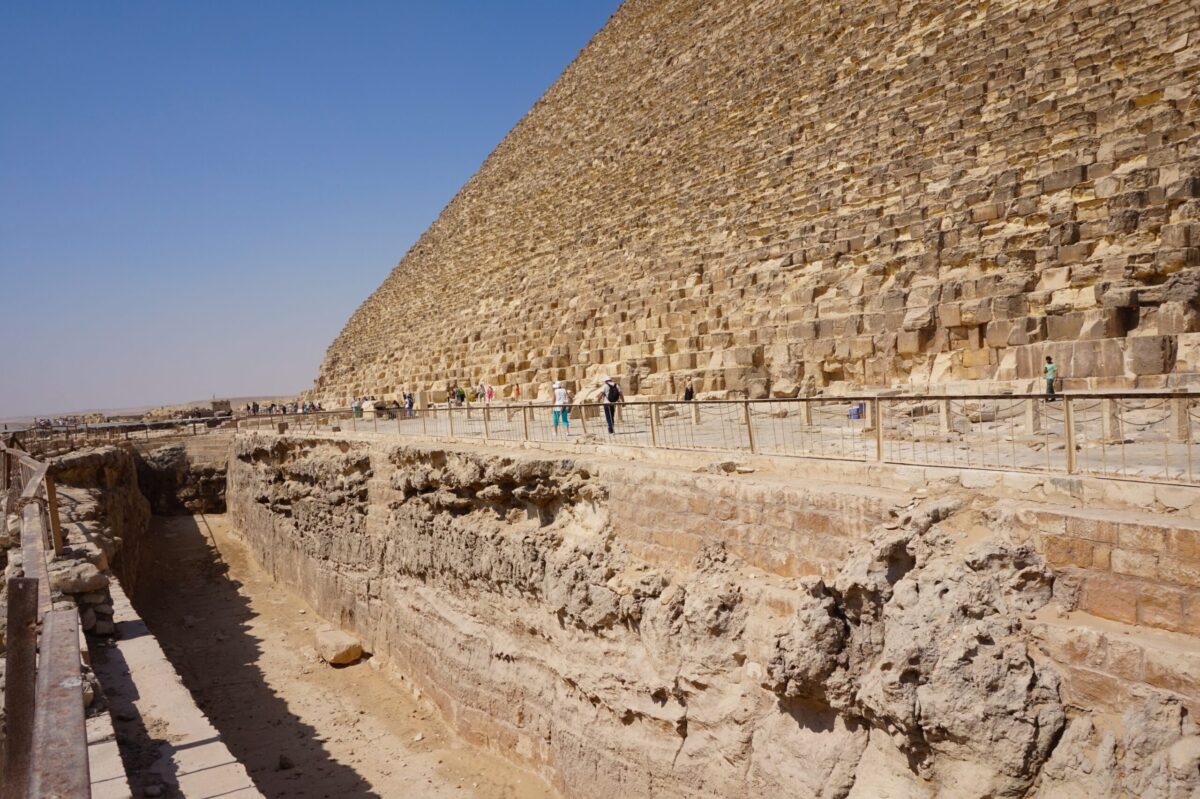
The immensity and majesty of the Great Pyramids and Sphinx that have survived for thousands of years is almost too much to take in. We had almost a full day to wander among the pyramid complex, which is being actively restored. With an increase in tourism expected, there is a new visitor centre and ‘hop on hop off’ bus system that will bring Giza’s 2.5 million annual tourists into the complex, walkways and new shops. As I sipped my cappuccino here, I wondered if all progress is good, or is it better to leave things in their natural state, camels and all?
At the Great Pyramid of Pharaoh Khufu, archaelogists found an enormous solar barque sealed into a pit. This 4,600-year-old wooden ship was moved to the new Grand Egyptian Museum nearby. Looking into the deep hole, I could not imagine how this was deconstructed in such a way that left it fully intact.
5. The breadth of the Grand Egyptian Museum
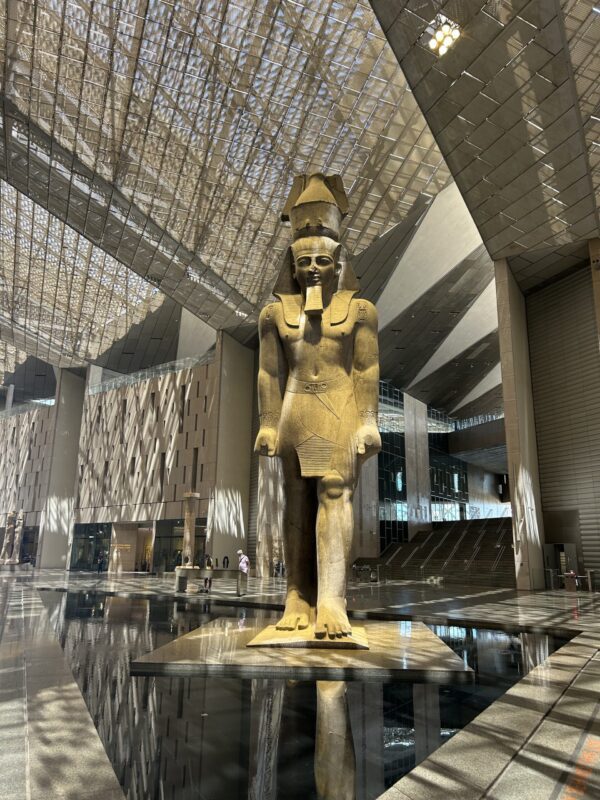
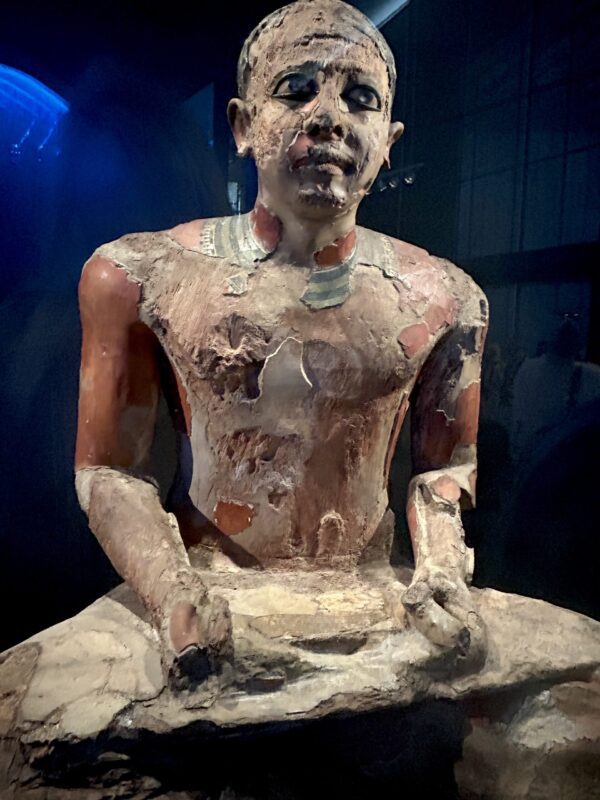
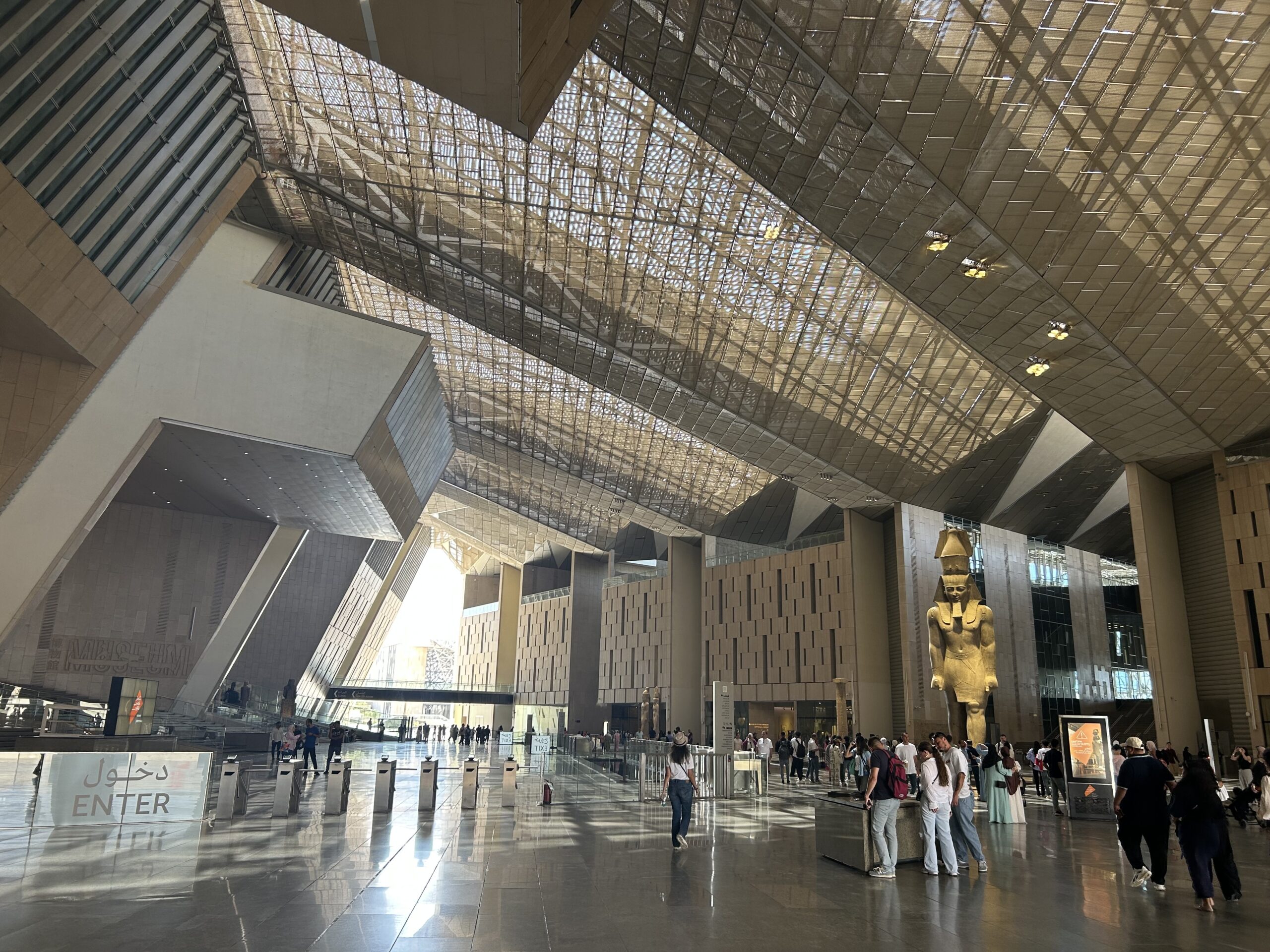
Occupying a 120-acre (50-hectare) plot of land near the Great Pyramids, the Grand Egyptian Museum (GEM) is the largest archaeological museum in the world. Opening in November 2025, it features more than 100,000 ancient artifacts spanning 7,000 years of Egyptian history.
I hop in an Uber from Cairo and discover that there is virtually no one there, even though the grand opening is supposed to be in July. I’m stopped in my tracks by the massive statue of Ramses II in the lobby. Entering the museum itself, rows of artifacts greet you on every step of the stairs to the gallery entrance.
A day is not long enough to wander through the 12 galleries or ‘caves’, which are divided along four eras: predynastic and Old Kingdom, Middle Kingdom, New Kingdom and Greco-Roman. In addition to King Khufu’s barge, the centerpiece are items from the tomb of King Tutankhamun, including his mummy, funerary mask, inner gold sarcophagus, jewels, and throne, which were moved from the Egyptian Museum in Cairo.
6. The splendour of Karnak Temple in Luxor
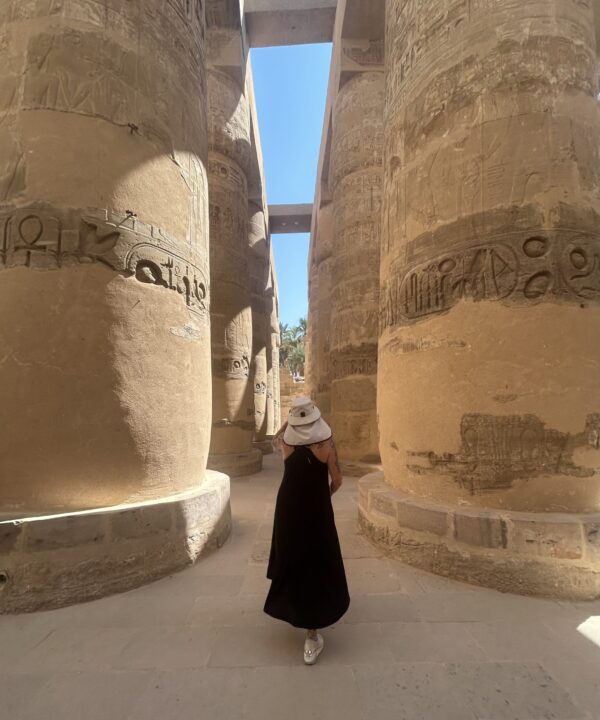
Karnak is so vast that only part of it is open to the public. We are fortunate to arrive before 9 a.m., well ahead of the crowds, walking along the avenue lined with sphinxes and wander among the rows of 134 ornate columns in the Great Hypostyle Hall.
Dedicated to the gods Amun-Re, Mut (vulture goddess), and Khonsu (lunar god), Karnak Temple took 2,000 years to build and is the largest religious site in the world. Of the 134 columns, 122 are 10 metres (33 ft) tall, and the other 12 are 21 metres (69 ft) tall with a diameter of over 3 metres (9.8 ft). It’s not really known how Karnak Temple was built. According to a recent article from Cambridge University Press, “archaeological investigations have been ongoing at the site for approximately 150 years, yet the dynamic riverine landscape within which the temple was conceived, built and extended has not been understood in detail and the age of earliest occupation continues to be debated.”

7. The hidden treasures of the Valley of the Kings
We arrive at Valley of the Kings just as the sun is peeking over the hills. There are 64 royal tombs camouflaged under the ground, including King Tut’s, which is not the most glamorous, but the best known. Our 300 EGP ticket (about $8) includes a golf cart ride out to the entrance and visits to three tombs (I choose Ramses I and III and Seti I). There’s an additional 700 EGP fee ($21) for King Tut, which I shell out to see the world’s most famous mummy. Most recently, the tomb of Pharaoh Amenhotep III was opened to the public after 20 years of restoration.
It’s incredible to think of the gifted craftsmen who cut these tombs out of the limestone and had only 70 days after a pharaoh’s death to paint the narrow corridors, which are covered with the life and stories from the Book of the Dead. My only regret? Not being able to see every single tomb. This truly is a place where time stands still.

8. The secrets of Saqqara (or Sakkara / Ṣaqqārah), Egypt’s oldest pyramid
Just 24 kilometres/ 15 miles outside Cairo, Saqqara is the necropolis of the old kingdom of Ancient Egypt, often described as the city of the dead. This complex includes the tombs for members of the ruling house. One of the most vibrant is the tomb of Princess Seshsehet Idut, daughter of King Teti (c. 2345-2323 BC), which is covered with images from her life and a false “door” that served as a symbolic gateway between the world of the living and the dead. The entire complex originally had a wall more than 1 mile (1.6 km) long and 34 feet (11 m) high.
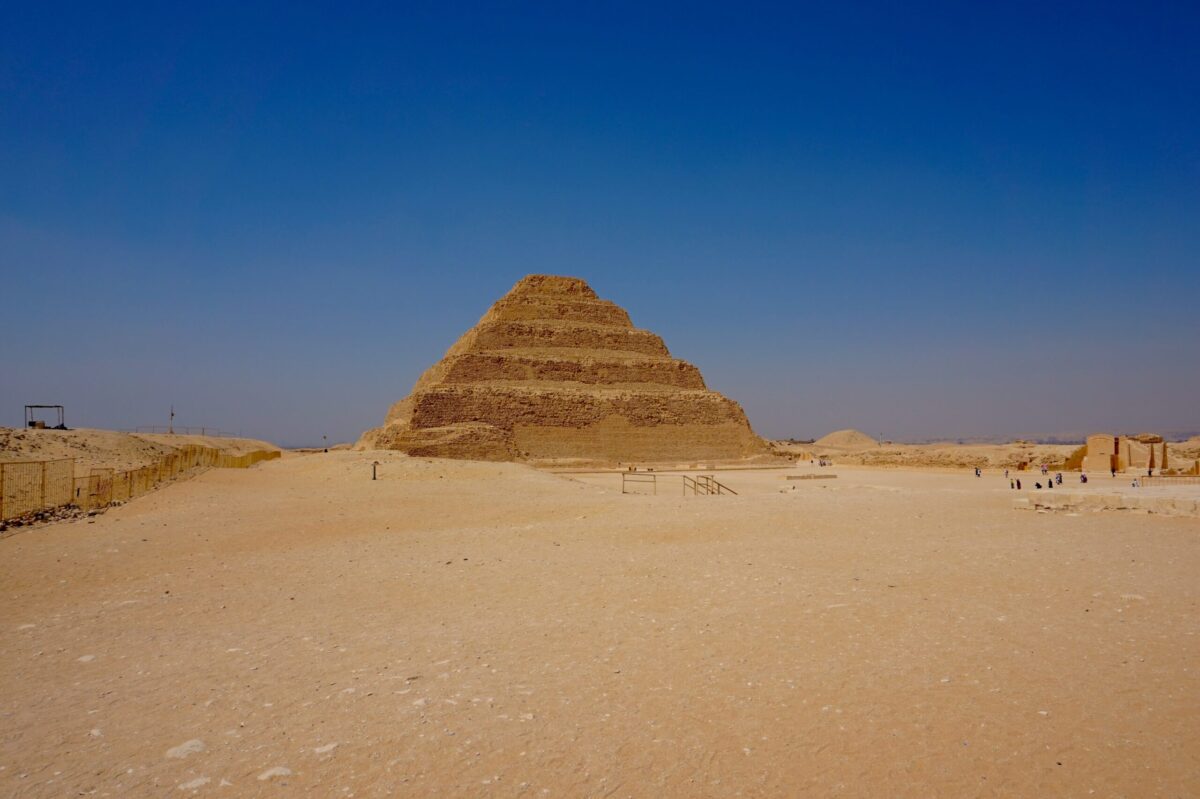
Saqqara also has the oldest surviving pyramid in the world, the Step Pyramid of Djoser, which was built in c. 2670–2650 BC, making it 4,700 years old. Imhotep, the world’s first named architect, designed the pyramid, which is 62 metres/ 206 feet high with six tiers, around the 26th century BCE. Originally, it was covered in gleaming white limestone. After renovations, it’s now possible to walk inside the Step Pyramid through a labyrinth of columns, and look into a vast hole, down into the burial chamber of Djoser. Simply incredible.
9. Meeting local women at Nawaya Community Kitchen
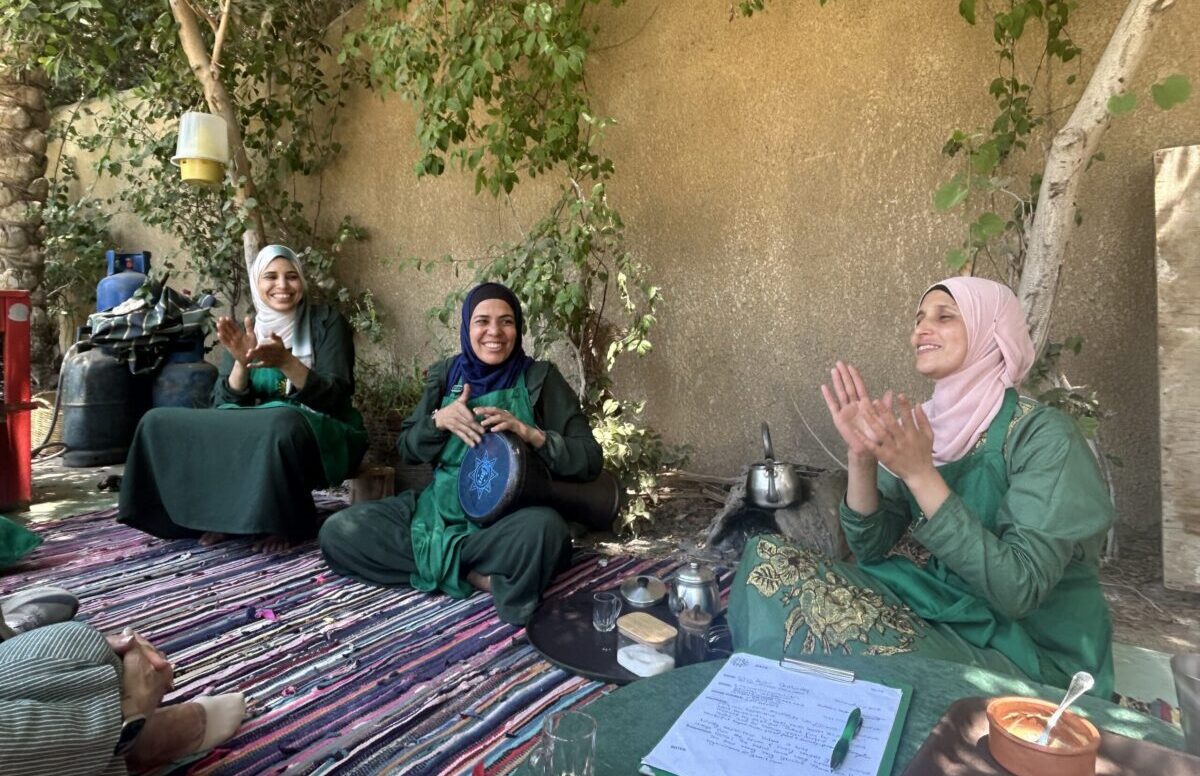
After Saqqara, we drive to a cultural farming project with Nawaya, a female-led community kitchen. Rasha Abel is the kitchen supervisor, and she introduces our group to the group of women who will be teaching us how to make Egyptian Flatbread (or aish baladi). It’s a tricky process, bread-making the old fashioned way. I can’t seem to master shaking what resembles a floury pancake on a wooden paddle and I’m grateful when one of the women offers to complete the task of heating it in the oven.
As we sit in a circle of women, we learn how their work is helping them preserve their traditions, culture, and ways of life, while allowing them to independently support their families. A delicious lunch follows in the garden, then singing, smiling and laughing. Even when you can’t understand all the words, the simple gesture of a smile goes a long way.
10. The steps of history in Old Cairo and the Hanging Church
Cairo’s Hanging Church dates back to the late fourth century A.D. and was built over two towers from the Roman fortress of Babylon. It gets its name from the fact that its nave is suspended above a corridor, which gives one the impression that the church is suspended in midair. While there are many exquisite features, one of the most notable features of the Hanging Church is the ceiling, which is constructed of domed wood and is intended to resemble the interior of Noah’s Ark. The marble pulpit is supported by 13 marble columns intended to represent Jesus and his 12 disciples, and there are many Christian icons and relics, including a part of the Virgin Mary’s girdle.
According to historical sources, Jesus and the Virgin Mary fled to Egypt for three and a half years. It’s believed that there are 26 sites where they stayed, including Old Cairo, which was formerly known as Babylon. Here, the Holy Family took refuge in a cave. The Church of Abu Sirga was built on top of the site and is a major pilgrimage site for many Egyptians.

11. A scenic dinner on the Nile
On our last evening together, our small group gathers for dinner at the Steigenberger Nile Palace, with the Valley of the Kings glowing across the river. Gazing at my new friends, I am reminded to never take travel for granted.
That feeling of joy, awe and amazement that erupts in your chest when you witness ancient wonders that have existed for thousands of years just can’t be replicated. This feeling is also why we can’t wait to make our dreams happen. As these pyramids show us, time can pass in the blink of an eye. It’s memories like this that will feed and sustain me for years to come.


The Verdict: What’s a Solo-ish trip like?
Is the “soloish’ product ready for prime time, and the women 50+ traveller? At the time I visited in June 2025, this was the second ‘soloish’ trip in Egypt. These small group trips average 12 people, and max out at 16. This nine-day tour has a base fee of approximately C$1800. While the website states there is no single supplement, there is an additional charge to have your own room (approximately 25% or $500) for a single room, bringing the cost to about C$2200 (plus airfare).
In addition to the community kitchen visit, the trip includes local experiences including two meals with local families. There is also a stop at the Funtasia Project Center, a local nonprofit that works with young people in the West Bank of Luxor to develop an innovative approach to developing life skills and social consciousness, with the aim of contributing to the development of stellar citizens.. They work with youth in after school programs that teach art, communication, and social skills and receive funding from Planeterra.
I don’t mind a rugged experience, but the hotels were extremely basic. Three of us stayed at a different hotel on the last night at our own expense, so that we would end the trip on a high note. There were also many exclusions, notably meals, a farewell dinner and transfer to the airport. If you try the ‘soloish’ product, make sure you ask about what’s included or not, check the hotel ratings before you book, and practice good hygiene. The trips run all year, but summer is unbearably hot, so look for a cooler time to visit.
Safety in Egypt
As always, regularly check your government’s travel advisories as they can change and become an issue if you go somewhere during an “avoid all travel” advisory. Canada currently says to “exercise a high degree of caution” in Egypt due to ongoing tensions in the region and demonstrations. I walked alone in Cairo and Luxor and my only awkward moment was when a group of boys followed me for a few blocks, took selfies with me and asked me to buy bookmarks. Eventually they got bored and I carried on, smiling the entire time.
How to get there
I flew Air Canada to Frankfurt and changed to Egyptian Air to Cairo with a stop in Frankfurt. You’ll need a visa for Egypt which can be done in advance or when you arrive. There’s no need to pay Sherpa or other services in advance unless you need to feel more comfortable. Check for flights here.
What to pack and wear
- In mosques and cities, you’ll want to wear long pants, skirts, shirts that cover shoulders and a Shawl or scarf for mosques.
- Outside cities and at temples, shorts are fine. I had two pairs of shorts, 3 tank tops and a beige long-sleeved top
- Bring all your own toiletries, including hair conditioner
- Day pack and water bottle for day trips – do not drink tap water
- Egypt is noisy, so bring earplugs
- First-aid kit (should contain lip balm with sunscreen, sunscreen, whistle, Aspirin, Ibuprofen, bandaids/plasters, tape, anti-histamines, antibacterial gel/wipes, antiseptic cream, Imodium or similar tablets for mild cases of diarrhea, rehydration powder, water purification tablets or drops, insect repellent, sewing kit, extra prescription drugs you may be taking)
- Safety: Rubber door stop for hotels, as most do not have double locks, plus a headlamp or flashlight, and a money belt
- Hand sanitizer (either liquid or wipes)
- Shoes: Sneakers or hiking boots, no need for anything fancy
- Hat, sunscreen and sunglasses – I brought my Tilley hat, which also covered my hair and shoulders
- Power outlet adapter and portable charger
- Conservative swimwear and a small towel if you want to swim in the Nile (there was one pool on our trip)
Disclaimer: As a guest of G Adventures, Carolyn Ray was not compensated for her time spent researching, travelling and writing this feature, nor was JourneyWoman for publishing it. In addition, the host organizations did not review this article before it was published, a practice that allows the writer to express her perspective with integrity and candour.
More to Discover About the Middle East

Carolyn Ray

In 2023, Carolyn was named one of the most influential women in travel by TravelPulse for her efforts to advocate for women over 50 in travel. She has been featured in the New York Times, Toronto Star and Conde Nast as a solo travel expert, and speaks at women's travel conferences around the world. In 2025, she received her second SATW travel writing award and published her first book "Never Too Late: How Women 50+ Travellers Are Making the Rules" with co-author Lola Akinmade. She leads JourneyWoman's team of writers and chairs the JourneyWoman Women's Advisory Council, JourneyWoman Awards for Women 50+ and the Women's Speaker's Bureau. She is the chair of the Canadian chapter of the Society of American Travel Writers (SATW), a member of Women Travel Leaders and a Herald for the Transformational Travel Council (TTC). Sometimes she sleeps. A bit.
0 Comments
We always strive to use real photos from our own adventures, provided by the guest writer or from our personal travels. However, in some cases, due to photo quality, we must use stock photography. If you have any questions about the photography please let us know.
Disclaimer: We are so happy that you are checking out this page right now! We only recommend things that are suggested by our community, or through our own experience, that we believe will be helpful and practical for you. Some of our pages contain links, which means we’re part of an affiliate program for the product being mentioned. Should you decide to purchase a product using a link from on our site, JourneyWoman may earn a small commission from the retailer, which helps us maintain our beautiful website. JourneyWoman is an Amazon Associate and earns from qualifying purchases. Thank you!
We want to hear what you think about this article, and we welcome any updates or changes to improve it. You can comment below, or send an email to us at [email protected].